What do utilities include? This captivating question sets the stage for this enthralling narrative, offering readers a glimpse into a story that is rich in detail with academic presentation style and brimming with originality from the outset. Embarking on this journey, we will delve into the fundamental elements that constitute utilities, unraveling their significance in our daily lives and exploring the complexities that underpin their operations.
Utilities, the lifeblood of modern society, encompass a diverse array of essential services that play a pivotal role in ensuring our comfort, health, and productivity. From the reliable flow of electricity that powers our homes and businesses to the clean water we drink and the efficient removal of waste, utilities are the unsung heroes that underpin our daily routines and enable us to thrive in the 21st century.
Basic Utilities
Basic utilities refer to essential services that are crucial for daily life and the functioning of modern society. These utilities include electricity, gas, water, and trash removal.
Electricity is a form of energy that powers various appliances, lighting, and electronic devices. It is essential for communication, transportation, and industrial processes. Gas is a fuel used for heating, cooking, and power generation. Water is a vital resource for drinking, sanitation, and irrigation.
Trash removal is necessary to maintain public health and prevent environmental pollution.
Electricity
- Provides power for lighting, appliances, and electronic devices.
- Enables communication, transportation, and industrial processes.
- Generated from various sources, including fossil fuels, renewable energy, and nuclear power.
Gas
- Used for heating, cooking, and power generation.
- Derived from natural gas, propane, or butane.
- Provides a convenient and efficient source of energy.
Water
- Essential for drinking, sanitation, and irrigation.
- Treated and distributed through public water systems.
- Conservation measures are crucial to ensure sustainable water use.
Trash Removal
- Prevents the accumulation of waste and protects public health.
- Involves the collection, transportation, and disposal of solid waste.
- Proper waste management reduces environmental pollution and promotes sustainability.
Types of Utility Services: What Do Utilities Include

Utility services are essential for modern life, providing access to electricity, water, natural gas, and other vital resources. These services are typically provided by utility companies, which can be classified into three main types: municipal, private, and cooperative.
Ownership and Regulation
Municipal utilitiesare owned and operated by local governments. They are typically regulated by state or local government agencies, which set rates and ensure that the utility provides adequate service. Private utilitiesare owned by investor-owned companies. They are regulated by state or federal government agencies, which set rates and ensure that the utility provides adequate service.
Utilities refer to essential services such as electricity, gas, water, and trash removal. When renting an apartment, tenants may be responsible for paying some or all of these utilities. To determine the specific utilities covered, it is crucial to review the lease agreement.
Do you pay utilities in an apartment ? The answer depends on the rental agreement and the landlord’s policies. It is essential to clarify these details upfront to avoid any surprises or disputes regarding utility expenses.
Cooperative utilitiesare owned by their customers. They are typically regulated by state or local government agencies, which set rates and ensure that the utility provides adequate service.
Advantages and Disadvantages
Each type of utility service has its own advantages and disadvantages. Municipal utilities are often seen as more reliable and affordable than private utilities. However, they can also be less efficient and responsive to customer needs. Private utilities are often seen as more efficient and responsive to customer needs.
However, they can also be more expensive than municipal utilities. Cooperative utilities are often seen as a good compromise between municipal and private utilities. They are typically more affordable than private utilities, but they can also be less efficient and responsive to customer needs.
Examples
Some examples of municipal utilities include the New York City Department of Environmental Protection and the Los Angeles Department of Water and Power. Some examples of private utilities include Exelon Corporation and Duke Energy. Some examples of cooperative utilities include the National Rural Electric Cooperative Association and the National Propane Gas Association.
Impact on Quality and Reliability
The type of utility service can have a significant impact on the quality and reliability of service. Municipal utilities are often seen as more reliable than private utilities, as they are not subject to the same profit-making pressures. However, private utilities can sometimes be more efficient and responsive to customer needs, which can lead to better service quality.
Cooperative utilities are typically seen as a good compromise between municipal and private utilities, as they are owned by their customers and are therefore more responsive to their needs.
Role of Government
Government plays an important role in regulating utility services. Government agencies set rates, ensure that utilities provide adequate service, and protect consumers from unfair practices. Government also provides financial assistance to utilities in some cases, such as when a utility is unable to raise enough revenue to cover its costs.
Utility Infrastructure
Utility infrastructure refers to the physical structures and networks used to deliver essential services like electricity, water, and gas to consumers. These systems play a crucial role in modern society, ensuring the reliable and efficient distribution of utilities to homes, businesses, and industries.
The utility infrastructure comprises various components, each designed to perform specific functions. Power plants generate electricity, water treatment facilities purify and distribute water, and gas pipelines transport natural gas. These systems are interconnected and interdependent, working together to provide seamless delivery of utilities.
Power Plants
Power plants are facilities that generate electricity using various sources such as fossil fuels, nuclear energy, or renewable resources like solar and wind. The process involves converting these sources into mechanical energy, which is then used to drive generators that produce electricity.
Power plants require regular maintenance and upgrades to ensure efficient and reliable operation. They also have environmental implications, particularly those using fossil fuels, which emit greenhouse gases. Minimizing the environmental impact involves adopting cleaner technologies, such as renewable energy sources and carbon capture and storage.
Water Treatment Facilities
Water treatment facilities play a critical role in providing clean and safe drinking water. These facilities use a series of processes to remove impurities, contaminants, and microorganisms from raw water sources like rivers, lakes, or groundwater.
Water treatment facilities require ongoing maintenance and monitoring to ensure the quality and safety of the water supply. They also have environmental implications, as the treatment processes can generate waste products that need to be disposed of responsibly.
Gas Pipelines
Gas pipelines are networks of pipes used to transport natural gas from production sites to distribution centers and end-users. These pipelines are typically buried underground or laid above ground, depending on the terrain and environmental conditions.
Gas pipelines require regular inspection and maintenance to ensure their integrity and prevent leaks. They also have environmental implications, as natural gas is a fossil fuel that emits greenhouse gases when burned. Minimizing the environmental impact involves adopting leak detection technologies and exploring renewable gas sources like biogas.
Role of Technology
Technology plays a significant role in improving the efficiency and reliability of utility infrastructure. Advanced metering systems allow for real-time monitoring of energy and water consumption, enabling consumers to make informed choices and reduce waste.
Smart grids and smart water networks use sensors and automation to optimize the distribution and delivery of utilities, reducing outages and improving overall system performance.
Challenges and Opportunities
The utility infrastructure sector faces several challenges, including aging infrastructure, increasing demand, and environmental concerns. Aging infrastructure requires significant investment in upgrades and replacements to maintain reliability and safety.
Increasing demand for utilities due to population growth and economic development puts pressure on existing infrastructure. Meeting this demand while minimizing environmental impact requires innovative solutions and sustainable practices.
Opportunities in the utility infrastructure sector include the integration of renewable energy sources, the adoption of smart technologies, and the development of more efficient and environmentally friendly systems. By embracing these opportunities, the sector can contribute to a more sustainable and resilient future.
Utility Regulation

Utility regulation plays a crucial role in ensuring that utilities provide essential services fairly, efficiently, and with minimal environmental impact. Government agencies are tasked with overseeing utilities, establishing regulations that protect consumers and promote the public interest.
Regulations set forth by government agencies ensure that utilities charge fair prices for their services. These agencies review utility costs, including operating expenses, infrastructure investments, and profit margins, to determine reasonable rates that balance the need for utilities to cover their costs with the affordability of services for consumers.
Quality of Service
Regulations also mandate utilities to maintain a high quality of service. This includes setting standards for reliability, responsiveness, and customer satisfaction. Utilities are required to meet these standards, and government agencies monitor their performance to ensure compliance.
Environmental Protection
In addition to fair pricing and quality of service, regulations also focus on environmental protection. Utilities are required to comply with environmental regulations to minimize their impact on the environment. This includes regulations on emissions, water usage, and waste disposal.
Smart Utilities
Smart utilities are emerging as a key driver of innovation in the energy sector. They offer a range of benefits, including improved energy efficiency, reduced costs, and enhanced reliability.
Smart grid technologies are a key component of smart utilities. These technologies allow utilities to monitor and control the flow of electricity in real time, which can help to improve efficiency and reduce costs. For example, smart meters can help consumers to track their energy usage and identify ways to save energy.
Key Players in the Smart Utility Market
The smart utility market is a rapidly growing one, with a number of key players emerging. These include:
- ABB
- Cisco
- General Electric
- IBM
- Siemens
Challenges and Opportunities Associated with the Adoption of Smart Utilities
There are a number of challenges associated with the adoption of smart utilities, including:
- Cost
- Complexity
- Security
However, there are also a number of opportunities associated with smart utilities, including:
- Improved energy efficiency
- Reduced costs
- Enhanced reliability
Regulatory Landscape for Smart Utilities
The regulatory landscape for smart utilities is still evolving. However, there are a number of regulatory initiatives that are supportive of smart utility development. For example, the US Department of Energy has launched a number of programs to promote the adoption of smart grid technologies.
Press Release Announcing the Launch of a New Smart Utility Product
FOR IMMEDIATE RELEASE
[Company Name] Launches New Smart Utility Product
[City, State] – [Date] – [Company Name] today announced the launch of its new smart utility product, [Product Name]. [Product Name] is a [brief description of product].
[Product Name] offers a number of benefits, including:
- [Benefit 1]
- [Benefit 2]
- [Benefit 3]
[Company Name] is confident that [Product Name] will help its customers to save money on their energy bills and improve their energy efficiency.
About [Company Name]
[Company Name] is a leading provider of smart utility products and services. The company is committed to helping its customers to save money on their energy bills and improve their energy efficiency.
Utilities, often included in the cost of living, encompass essential services like electricity, water, gas, and waste removal. While the specific utilities included in apartment rent vary depending on the lease agreement, many landlords cover basic utilities such as water and trash removal.
For a more comprehensive understanding of utility inclusions, refer to does apartment rent include utilities. This resource provides detailed information on the common utilities covered in apartment rentals and the factors that influence their inclusion.
Marketing Campaign to Promote Smart Utilities to Consumers
A marketing campaign to promote smart utilities to consumers should focus on the benefits of smart utilities, such as improved energy efficiency, reduced costs, and enhanced reliability. The campaign should also address the challenges associated with smart utilities, such as cost and complexity.
Presentation on the Benefits of Smart Utilities for Investors
A presentation on the benefits of smart utilities for investors should focus on the following:
- The growing demand for smart utilities
- The key players in the smart utility market
- The challenges and opportunities associated with the adoption of smart utilities
- The regulatory landscape for smart utilities
- The financial benefits of investing in smart utilities
Utility Costs
Utility costs are a significant expense for many households and businesses. The cost of utilities can vary significantly depending on several factors, including fuel prices, infrastructure investments, regulatory policies, and geopolitical events.
Factors Influencing Utility Costs
Fuel Prices:The cost of fuel, such as natural gas, electricity, and heating oil, is a major factor that influences utility costs. When fuel prices rise, utility costs also tend to increase. Infrastructure Investments:The cost of maintaining and upgrading utility infrastructure, such as power lines, pipelines, and water treatment facilities, can also impact utility costs.
Investments in new infrastructure can lead to higher costs in the short term, but they can also improve the efficiency and reliability of the utility system, potentially leading to lower costs in the long run. Regulatory Policies:Government regulations can also affect utility costs.
For example, regulations that require utilities to use renewable energy sources or reduce greenhouse gas emissions can increase costs. Geopolitical Events:Geopolitical events, such as wars or natural disasters, can disrupt the supply of fuel or damage utility infrastructure, leading to higher costs.
Strategies for Reducing Utility Expenses
There are several strategies that consumers can use to reduce their utility expenses, including: Energy Efficiency Measures:Implementing energy efficiency measures, such as upgrading to energy-efficient appliances, installing insulation, and using LED lighting, can reduce energy consumption and lower utility bills. Smart Home Technologies:Smart home technologies, such as smart thermostats and smart plugs, can help consumers monitor and control their energy usage, leading to reduced consumption and lower costs.
Utility Bill Assistance Programs:Many utilities offer assistance programs for low-income households or those experiencing financial hardship. These programs can provide financial assistance with utility bills or help consumers implement energy efficiency measures. Table: Key Factors Influencing Utility Costs and Their Impact on Consumer Bills| Factor | Impact on Utility Costs ||—|—|| Fuel Prices | Higher fuel prices lead to higher utility costs.
|| Infrastructure Investments | Investments in new infrastructure can lead to higher costs in the short term, but they can also improve efficiency and reliability, potentially leading to lower costs in the long run. || Regulatory Policies | Regulations that require utilities to use renewable energy sources or reduce greenhouse gas emissions can increase costs.
|| Geopolitical Events | Geopolitical events can disrupt the supply of fuel or damage utility infrastructure, leading to higher costs. | Actions Consumers Can Take to Reduce Utility Expenses* Upgrade to energy-efficient appliances.
- Install insulation and weatherstripping.
- Use LED lighting.
- Install a smart thermostat.
- Use smart plugs to control energy usage.
- Participate in utility bill assistance programs.
Utility Regulation
Utility regulation is the government’s oversight of the utility industry. The goal of regulation is to protect consumers from high prices and poor service. Regulatory agencies set rates for utilities, ensure that utilities are providing safe and reliable service, and promote competition in the utility market.The current state of utility regulation is complex and varies from state to state.
In some states, utilities are regulated by state public utility commissions. In other states, utilities are regulated by the federal government. There is a debate about the effectiveness of utility regulation, with some arguing that it has led to higher costs for consumers.
Identify government and non-profit programs that provide assistance with utility bills.

Various government and non-profit organizations offer assistance programs to help low-income households and individuals pay their utility bills. These programs can provide financial aid, payment plans, and other forms of support to ensure access to essential utility services.
Eligibility criteria and application processes vary depending on the specific program and location. Some programs may have income or residency requirements, while others may prioritize certain vulnerable populations, such as seniors, disabled individuals, or families with children.
Government Programs
- Low Income Home Energy Assistance Program (LIHEAP):Provides grants to low-income households to help pay for heating and cooling costs. Eligibility is based on income and household size. https://www.acf.hhs.gov/ofa/programs/liheap
- Weatherization Assistance Program (WAP):Offers energy efficiency upgrades to low-income homes, such as insulation, weatherstripping, and energy-efficient appliances. Eligibility is based on income and home ownership. https://www.energy.gov/eere/wap
Non-Profit Programs, What do utilities include
- United Way:Many local United Way chapters offer utility assistance programs to low-income families and individuals. Eligibility and application processes vary by location. https://www.unitedway.org
- Salvation Army:The Salvation Army provides emergency financial assistance to individuals and families in need, including help with utility bills. Eligibility and application processes vary by location. https://www.salvationarmyusa.org
In addition to these programs, many utility companies offer their own assistance programs, such as payment plans, deferred payment arrangements, and budget billing. Contact your local utility company for more information about their assistance options.
Utility Conservation
Utility conservation plays a crucial role in addressing environmental and economic concerns. By reducing energy and water consumption, we can conserve natural resources, mitigate climate change, and save money on utility bills.
Implementing energy conservation measures can significantly reduce greenhouse gas emissions, contributing to global efforts to combat climate change. Moreover, reducing water consumption helps preserve water resources, ensuring their availability for future generations.
Energy Conservation Tips
- Upgrade to Energy-Efficient Appliances:Replace old appliances with Energy Star-rated models that consume less energy.
- Use LED Lighting:LED bulbs are highly energy-efficient and last longer than traditional incandescent bulbs.
- Unplug Electronics When Not in Use:Devices left plugged in, even when turned off, still consume “vampire power.”
- Insulate Your Home:Proper insulation reduces heat loss in winter and keeps homes cooler in summer, lowering energy consumption for heating and cooling.
- Use Smart Thermostats:Smart thermostats can be programmed to adjust temperatures automatically, optimizing energy usage.
Water Conservation Tips
- Fix Leaks:Even small leaks can waste significant amounts of water. Regular inspections and prompt repairs are essential.
- Install Low-Flow Fixtures:Low-flow showerheads and faucets can reduce water consumption without sacrificing performance.
- Water Your Lawn Wisely:Water lawns during cooler hours to minimize evaporation. Use drought-tolerant plants and consider xeriscaping.
- Collect Rainwater:Rain barrels can be used to collect rainwater for irrigation and other non-potable uses.
- Check Your Water Meter:Regularly monitor your water meter to identify any potential leaks or excessive consumption.
Renewable Energy Utilities

Renewable energy sources, such as solar, wind, geothermal, biomass, and hydroelectric power, play a crucial role in powering utilities. They offer sustainable and environmentally friendly alternatives to fossil fuels, reducing greenhouse gas emissions and promoting a cleaner future.
Benefits and Challenges of Solar Energy
Solar energy is harnessed through photovoltaic cells that convert sunlight into electricity. It offers several benefits, including:
- Abundant and renewable resource
- Reduced reliance on fossil fuels
- Low operating costs
However, solar energy also faces challenges:
- Intermittent nature (reliant on sunlight)
- High upfront investment costs
- Land requirements for large-scale projects
Utility Outages
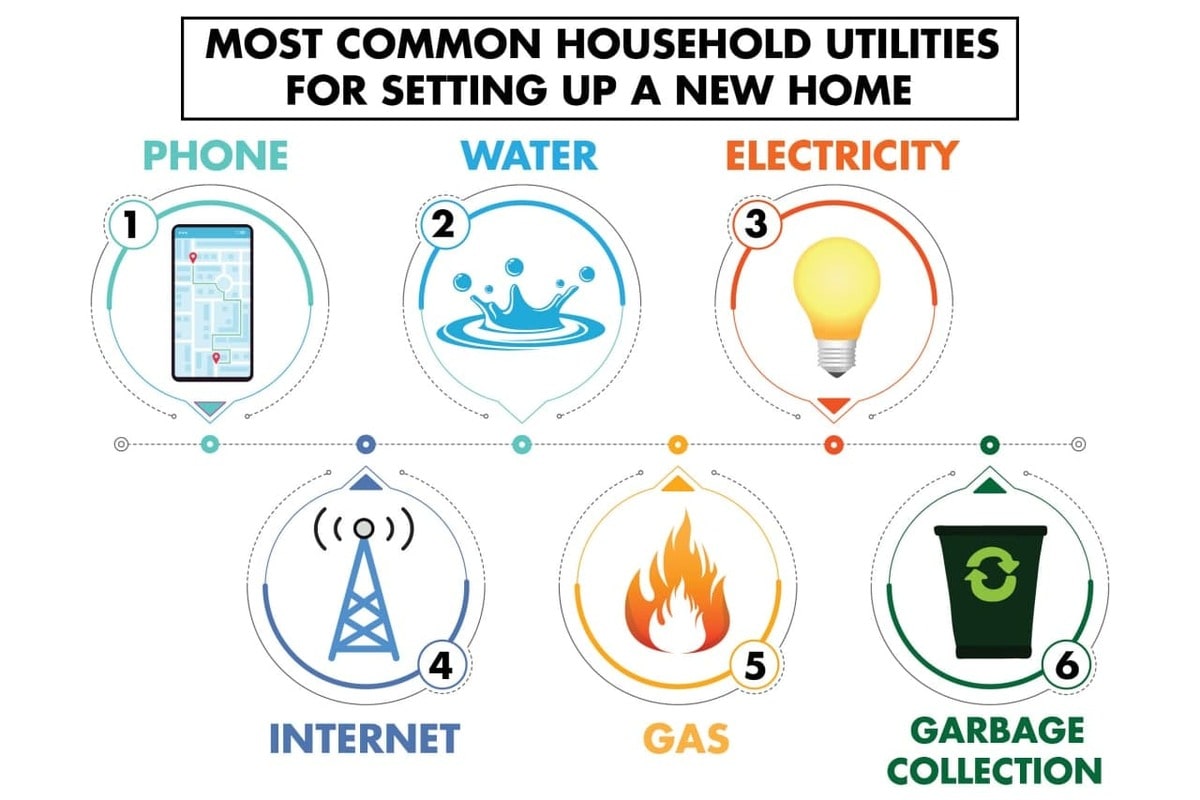
Utility outages are a disruption in the delivery of essential services such as electricity, gas, water, and telecommunications. They can be caused by natural disasters, equipment failures, or human error, and can have significant consequences for individuals, businesses, and communities.
The causes of utility outages can be varied and include natural disasters such as hurricanes, earthquakes, and floods; equipment failures due to aging infrastructure, inadequate maintenance, or extreme weather conditions; and human error, such as accidental damage to power lines or gas mains.
The consequences of utility outages can also vary depending on the type of service affected and the duration of the outage.
Emergency Preparedness Measures
Emergency preparedness measures for utility outages include having a plan in place to ensure the safety and well-being of individuals and families. This plan should include identifying potential hazards and developing strategies to mitigate their impact, as well as assembling an emergency kit with essential supplies such as food, water, first aid, and a battery-powered radio.
Restoration Procedures
Utility restoration procedures involve the assessment of damage, the mobilization of resources, and the repair of damaged infrastructure. The time it takes to restore service can vary depending on the severity of the outage and the availability of resources. In the event of a major outage, utility companies may prioritize the restoration of critical infrastructure, such as hospitals and emergency services, before restoring service to individual customers.
Examples of Utility Outages
Notable examples of utility outages include the Northeast Blackout of 2003, which affected over 50 million people in the United States and Canada, and the Hurricane Katrina disaster of 2005, which caused widespread power outages in the Gulf Coast region.
These outages had a significant impact on critical infrastructure, businesses, and daily life, and highlighted the importance of emergency preparedness and effective restoration procedures.
Role of Technology
Technology plays a crucial role in preventing and mitigating utility outages. Smart grids, for example, use sensors and communication networks to monitor the grid and identify potential problems before they cause outages. Advanced metering infrastructure (AMI) allows for the remote monitoring of energy consumption and can help identify areas of high demand or potential outages.
Additionally, distributed energy resources, such as solar panels and battery storage systems, can provide backup power during outages and reduce the reliance on centralized power sources.
Evaluation of Utility Outage Response Plans
The effectiveness of utility outage response plans can be evaluated based on several factors, including the speed of response, the communication with customers, and the coordination with other agencies. In the aftermath of major outages, utility companies should conduct a thorough review of their response plans and identify areas for improvement.
This may involve investing in new technologies, improving communication channels, and加强与应急响应人员的合作。
Utility Customer Service
Excellent customer service is essential in the utility industry as it directly impacts customer satisfaction, loyalty, and overall brand reputation. Utilities must prioritize providing exceptional support to their customers to ensure their needs are met and issues are resolved efficiently.There are various channels available for customer support and dispute resolution in the utility industry.
Customers can typically reach out through phone, email, online portals, and in-person at customer service centers. Utilities should ensure that these channels are easily accessible, staffed with knowledgeable representatives, and responsive to customer inquiries. Dispute resolution mechanisms should be fair and transparent, providing customers with a clear process to address complaints and concerns.
Dispute Resolution
Utilities have established formal processes for dispute resolution to address customer complaints and concerns. These processes typically involve multiple steps, including:
- Initial contact:Customers can initiate a dispute by contacting the utility’s customer service department through the available channels.
- Investigation:The utility will investigate the customer’s complaint and gather relevant information to determine the root cause of the issue.
- Resolution:Based on the investigation findings, the utility will propose a resolution to the customer. This may involve adjusting the customer’s bill, repairing or replacing equipment, or providing a refund.
- Appeal:If the customer is not satisfied with the proposed resolution, they can appeal the decision to a higher authority within the utility or to an external regulatory body.
By providing clear and accessible dispute resolution mechanisms, utilities can demonstrate their commitment to customer satisfaction and build trust with their customers.
Utility Billing
Utility bills provide detailed information about the consumption of various utility services, such as electricity, gas, water, and sewer. These bills are typically issued monthly and include charges for the amount of utility consumed, as well as any applicable taxes and fees.
Understanding how utility bills are calculated and the different payment options available can help consumers manage their utility expenses effectively.
Types of Utility Bills
Utility bills vary in format and content depending on the service provider and the specific utilities being billed. However, most utility bills typically include the following information:
- Customer account number
- Billing period
- Service address
- Meter readings (current and previous)
- Usage charges (calculated based on consumption)
- Taxes and fees
- Total amount due
Payment Options
Utility bills can be paid through various methods, including:
- Online payment portals
- Mail-in payments
- Automatic bank payments
- In-person payments at authorized locations
Late Payment Consequences
Late payments of utility bills can result in additional charges, such as late payment fees and penalties. In severe cases, non-payment or persistent late payments can lead to service disconnection. To avoid these consequences, it is important to make timely payments or contact the utility provider to discuss payment arrangements.
Short Story: A Family Struggling to Pay Utility Bills
The Johnson family had been struggling financially for months. With mounting debts and reduced income, they found it increasingly difficult to keep up with their utility bills. Despite their best efforts to conserve energy and reduce consumption, their bills continued to rise.
As a result, they fell behind on their payments and received a notice of impending service disconnection. Desperate for help, they reached out to a local non-profit organization that provided financial assistance for utility bills. With their help, the Johnson family was able to catch up on their payments and avoid service disconnection.
They also received guidance on energy conservation measures and budgeting strategies to help them manage their utility expenses in the future.
Utility Technology
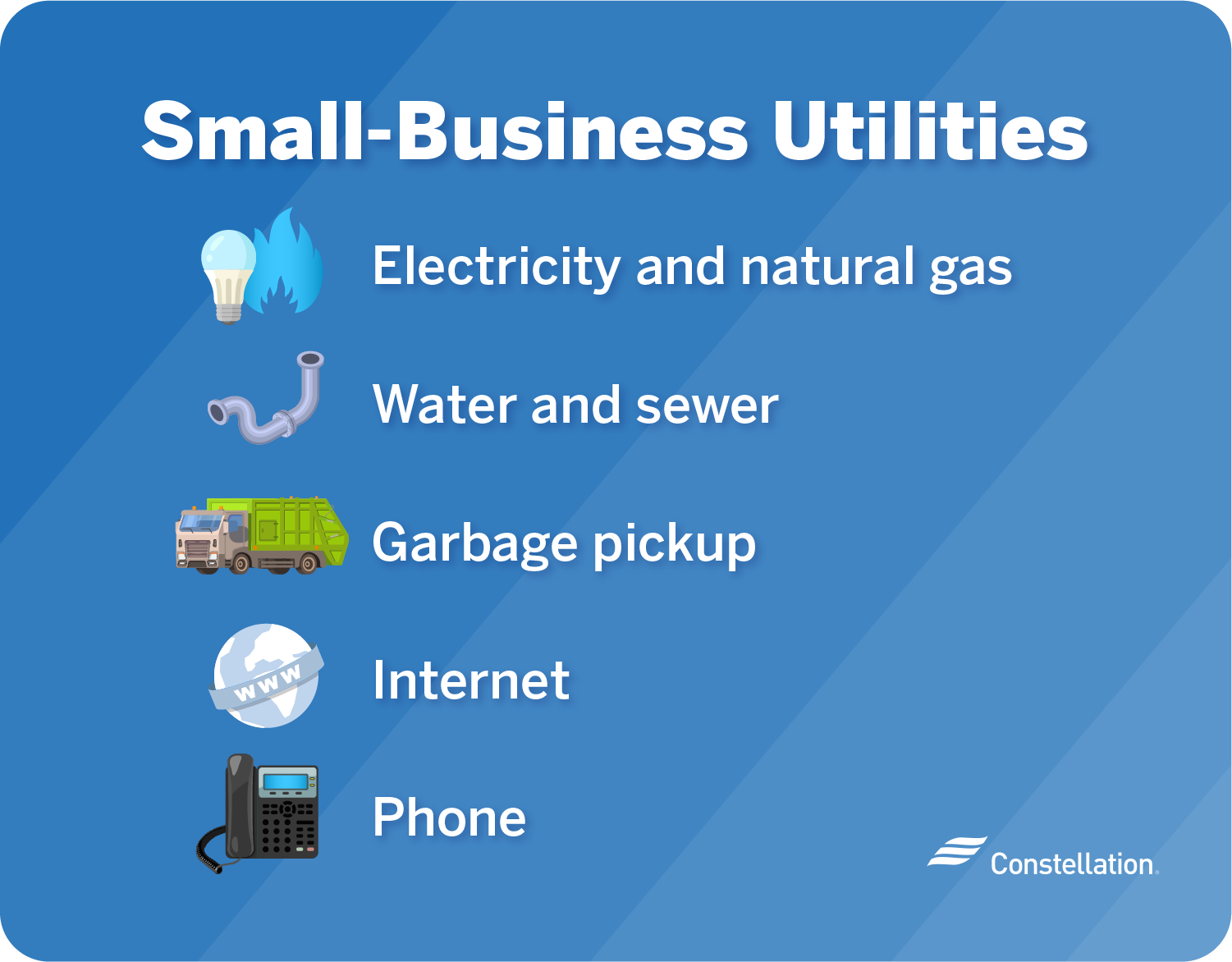
Utility technology refers to the application of advanced technologies to improve the efficiency, reliability, and sustainability of utility services. These technologies are transforming the industry, enabling utilities to meet the evolving needs of customers and address global challenges such as climate change.
Smart Grids
Smart grids use digital technology to monitor and control the flow of electricity. They enable real-time monitoring of energy consumption, allowing utilities to optimize grid operations, reduce energy waste, and improve reliability. Smart grids also facilitate the integration of renewable energy sources, such as solar and wind power, into the grid.
Advanced Metering Infrastructure (AMI)
AMI systems use smart meters to collect and transmit energy usage data to utilities. This data provides detailed insights into customer consumption patterns, enabling utilities to offer personalized energy-saving recommendations and implement time-of-use pricing.
Blockchain
Blockchain technology has the potential to revolutionize the utility industry by creating a secure and transparent platform for energy transactions. It can facilitate peer-to-peer energy trading, streamline billing processes, and improve grid reliability.
Artificial Intelligence (AI)
AI is being used to develop predictive analytics tools that can forecast energy demand, optimize grid operations, and detect potential outages. AI can also enhance customer service by providing personalized assistance and resolving inquiries.
Challenges
While utility technology offers significant benefits, there are also challenges to consider:
- Cost: Implementing new technologies can be expensive.
- Cybersecurity: Smart grids and other technologies can introduce new cybersecurity risks.
- Data privacy: The collection and analysis of energy usage data raises concerns about customer privacy.
Utility Investment
Investing in utility infrastructure and technology is crucial for maintaining and improving the reliability, efficiency, and resilience of utility services. These investments can lead to numerous benefits for ratepayers, including reduced costs, improved service quality, and increased access to renewable energy sources.
Investments in utility infrastructure, such as upgrading aging pipelines, expanding distribution networks, and modernizing power plants, can enhance the reliability and efficiency of utility services. By replacing old and inefficient equipment, utilities can reduce energy losses, improve operational efficiency, and minimize the risk of outages.
Additionally, investments in smart grid technologies, such as advanced metering infrastructure and distribution automation systems, can enable utilities to monitor and control their networks more effectively, leading to improved grid stability and reduced operating costs.
Potential Returns on Investment
The potential returns on investment in utility infrastructure and technology can be substantial. By reducing energy losses and improving operational efficiency, utilities can lower their operating costs, which can translate into lower rates for ratepayers. Additionally, investments in renewable energy sources, such as solar and wind power, can help utilities reduce their reliance on fossil fuels, which can lead to lower fuel costs and reduced greenhouse gas emissions.
Impact on Ratepayers
The impact of utility investment on ratepayers can be positive or negative, depending on the specific circumstances. In some cases, investments in utility infrastructure and technology can lead to increased rates for ratepayers. However, in the long run, these investments can often lead to lower rates by reducing operating costs and improving efficiency.
Additionally, investments in renewable energy sources can help to stabilize rates by reducing the volatility of fuel costs.
Utility Sustainability
Utility sustainability encompasses the practices and initiatives adopted by utility companies to minimize their environmental impact, ensure the responsible use of resources, and contribute to the well-being of future generations.
It is crucial for the utility industry to prioritize sustainability due to its significant role in energy production, distribution, and consumption. By embracing sustainable practices, utilities can mitigate greenhouse gas emissions, conserve natural resources, and foster a cleaner and healthier environment for present and future generations.
Initiatives for Promoting Sustainability
Utilities can implement various initiatives to promote sustainability within their operations. These include:
- Investing in renewable energy sources, such as solar, wind, and geothermal, to reduce reliance on fossil fuels and minimize carbon emissions.
- Adopting energy efficiency measures to reduce energy consumption and promote responsible usage among customers.
- Implementing smart grid technologies to optimize energy distribution, reduce waste, and enhance grid resilience.
- Promoting conservation programs to educate customers about sustainable practices and encourage responsible water and energy use.
- Collaborating with other organizations and stakeholders to develop innovative solutions and address sustainability challenges collectively.
Best Practices for Sustainable Utilities
In addition to implementing initiatives, utilities can adopt best practices to enhance their sustainability efforts:
- Conducting regular environmental impact assessments to identify and mitigate potential risks.
- Establishing clear sustainability goals and targets to guide decision-making and measure progress.
- Engaging with customers and stakeholders to foster transparency and build support for sustainability initiatives.
- Investing in research and development to explore new technologies and solutions that promote sustainability.
- Adopting a holistic approach to sustainability that considers both environmental and social impacts.
By embracing sustainability, utilities can create a positive impact on the environment, contribute to a sustainable future, and ensure the well-being of generations to come.
Essential FAQs
What are the most common types of utilities?
The most common types of utilities include electricity, natural gas, water, and waste management.
Who regulates utilities?
Utilities are typically regulated by government agencies at the local, state, or federal level.
What are smart utilities?
Smart utilities are utilities that use advanced technologies to improve efficiency, reliability, and customer service.
What are the benefits of renewable energy utilities?
Renewable energy utilities offer a number of benefits, including reduced greenhouse gas emissions, increased energy independence, and job creation.